If you search Google for the "best affiliate tracking software," you will be met with a wall of generic listicles. Most are written by content farms or generated by AI, stuffed with keywords, and built solely to collect affiliate commissions from G2 referrals. They blindly praise every platform, recycle feature lists, and ignore the single most important question: Which software will actually protect your margins and attribute conversions accurately in 2026?
Having spent years building, debugging, and operating high-speed redirect networks, I know that choosing tracking software isn't about looking at logos or comparing G2 rating stars. It is about understanding how the system attributes clicks when Safari caps cookies, how it handles server drops during peak traffic spikes, and how much it will charge you in overage fees when your traffic scales.
In this guide, I will share an honest, operator-focused comparison of the leading affiliate tracking platforms in 2026. No corporate jargon. No generic fluff. Just real-world performance architecture.
What Actually Matters in 2026?
Before looking at platforms, we must address the structural shift of 2026. The performance marketing landscape is now defined by browser privacy lockouts. Apple's Link Tracking Protection (LTP) strips standard query strings, and third-party cookies are dead. Pixel tracking is no longer a viable baseline. When evaluating software, focus on these three architectural pillars:
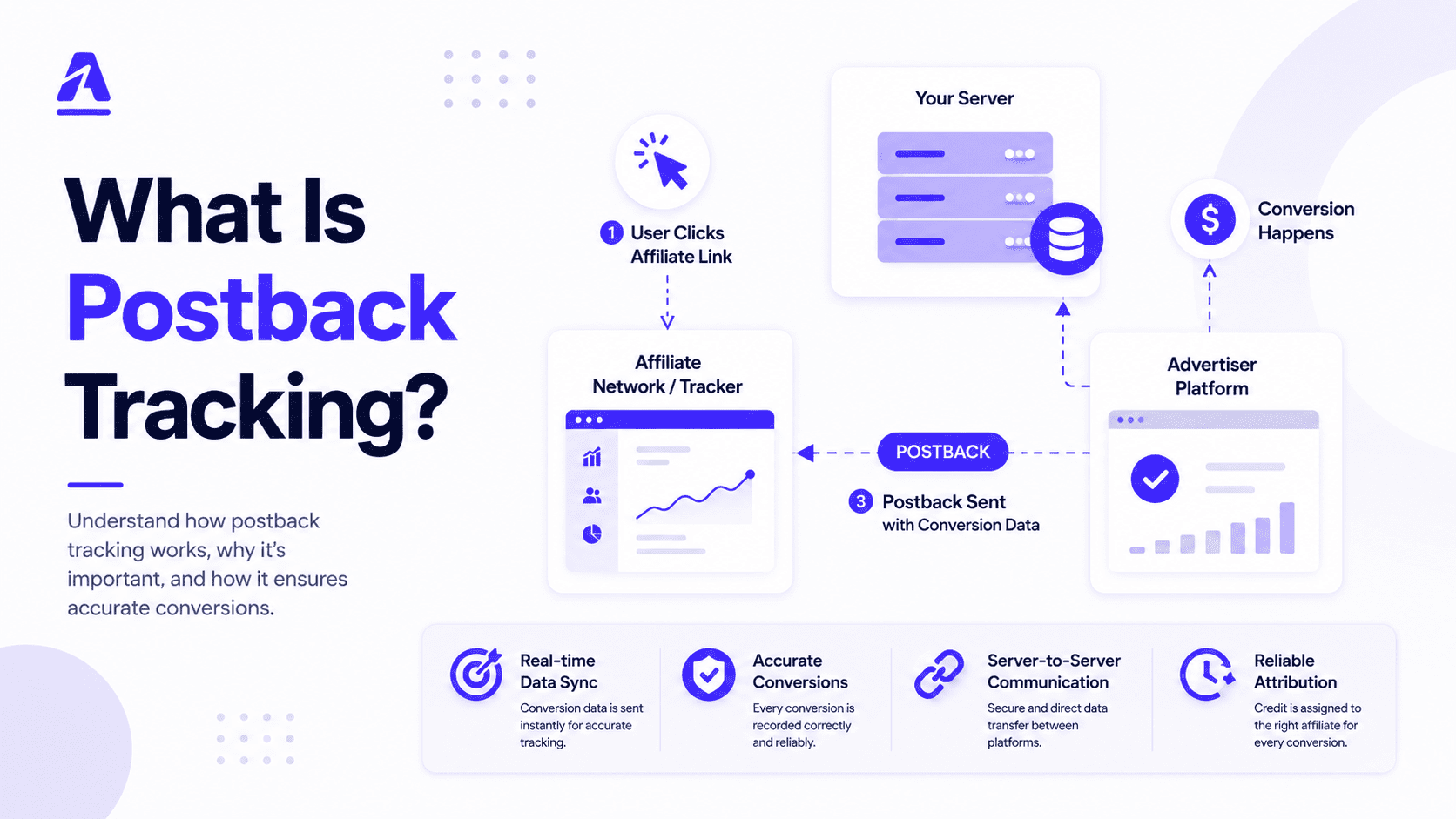
- Attribution Security (Cookieless S2S): The platform must run direct server-to-server (S2S) postbacks. If it relies primarily on browser-side javascript tags, you are losing up to 30% of your tracking signals to adblockers and privacy sandboxes.
- Edge Latency (Sub-15ms Routing): A click redirect is a conversion gateway. Every 100 milliseconds of redirect latency drops conversion rates by up to 7%. The system must resolve redirect loops at edge nodes in milliseconds.
- Transparent Cost Scaling: Many legacy platforms offer low base pricing but charge exorbitant overage rates once you cross click thresholds. Look for software that scales with your growth rather than penalizing it.
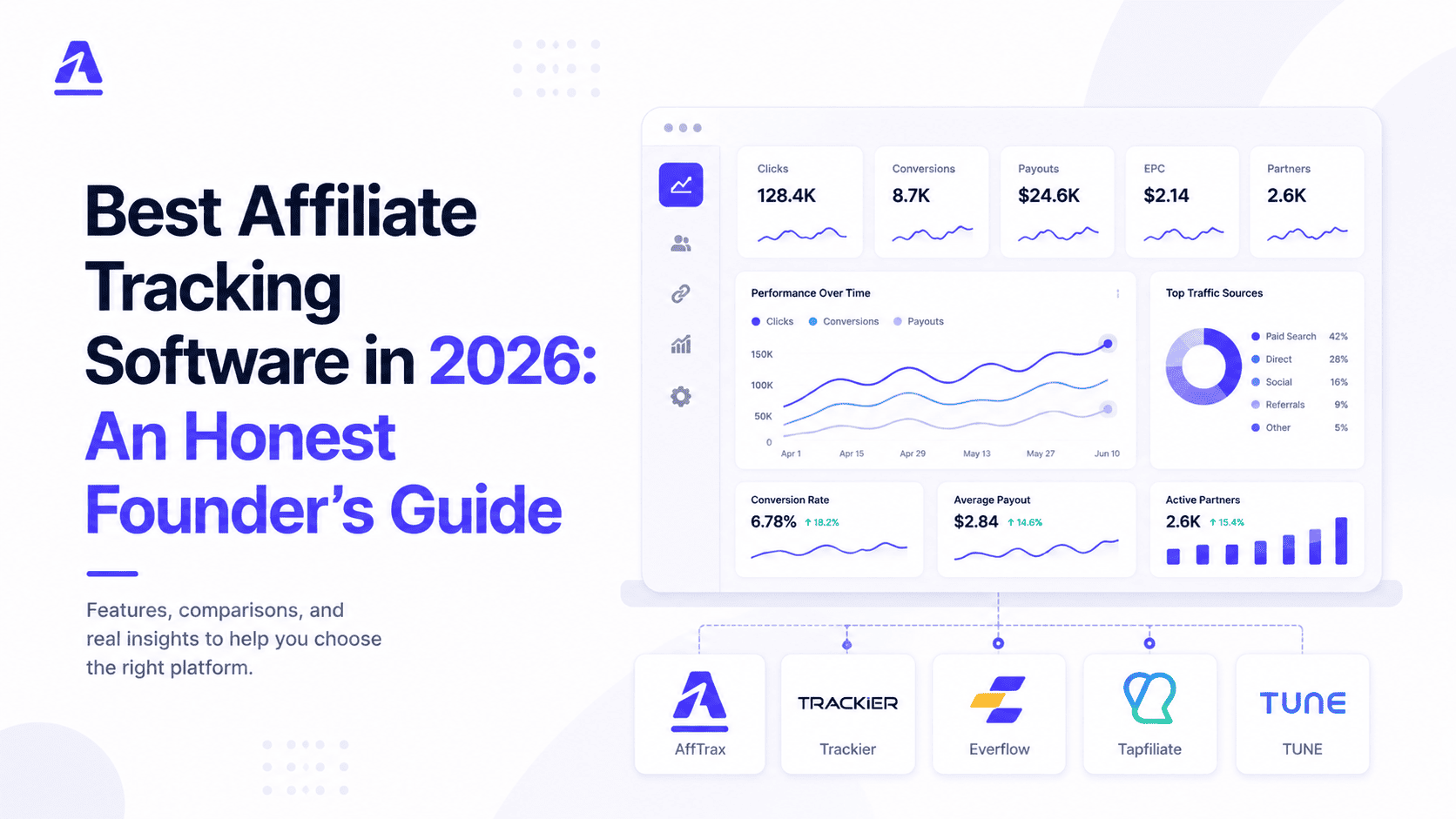
The Comparison Matrix: 2026 Top Platforms
| Platform | Primary Tracking Method | Built-in Fraud Guards | Starting Price | Ideal Audience |
|---|---|---|---|---|
| AffTrax | Cookieless S2S & Edge APIs | Real-Time Proxy & Device Check | Transparent SaaS | Startups, CPA Networks, Agencies |
| Everflow | S2S Postbacks & JavaScript | Click Fraud Filter Add-on | Premium Enterprise | Large Agencies & Brands |
| Trackier | S2S API Webhooks | Custom Security Rules | Premium Enterprise | Corporate CPA Networks |
| Offer18 | S2S & Pixel Fallbacks | Basic Proxy Filters | Budget Monthly | Media Buying Startups |
| Impact.com | JavaScript & SDK Hooks | Post-Click Fraud Auditing | Enterprise Custom | E-commerce Brands |
| TUNE | S2S & API Bridges | Manual Filter Settings | High Enterprise | Established Corporations |
| Trackdesk | S2S Postbacks | None (Manual review) | Low Entry / Free tier | Bootstrap SaaS Founders |
| Tapfiliate | Legacy Cookie/Pixel Tags | None | Budget Monthly | Small E-commerce shops |
| Post Affiliate Pro | Cookie & Tracking Pixels | IP Whitelist Settings | Mid-Range Monthly | Internal Brand Programs |
Detailed Platform Breakdowns
1. AffTrax
I built AffTrax to solve the exact architectural flaws that plague legacy performance networks: redirect latency and cookie drops. By running attribution logic on Go-based edge nodes, AffTrax processes and attributes redirects in under 12 milliseconds globally. The system is 100% white-label out of the box, allowing you to configure custom subdomains and private SMTP mail settings to bypass shared domain blocklists.
- Pros: Ultra-low routing latency; built-in edge fraud guards that block VPNs and duplicate device signatures; transparent pricing with no hidden overage penalties.
- Cons: A newer entrant compared to legacy corporate options; fewer direct one-click CRM integrations (though the REST API and webhooks make custom mapping straightforward).
- Best For: Startups, CPA networks, performance agencies, and scaling affiliate networks that require maximum attribution accuracy on custom domains.
Operator Tip: The White-Label Advantage
Using shared tracking domains provided by standard software is the fastest way to get your campaign links blocked by email spam filters. Always prioritize systems that run 100% on your own DNS subdomains.
2. Everflow
Everflow is a highly respected enterprise performance marketing platform. It is known for its detailed reporting dimensions and its clean, modern dashboard interface. It manages advertiser relations and affiliate compliance at scale very well.
- Pros: High-end multidimensional reporting analytics; strong user permission settings; direct integrations with major CRM systems.
- Cons: Highly expensive starting plans; complex interface that requires a dedicated operations manager; overage fees can scale quickly during high-volume campaigns.
- Best For: Established mid-market brands and large agencies managing hundreds of direct corporate relationships.
3. Trackier
Trackier is a sturdy, enterprise-grade CPA tracking software that is popular among Indian and Southeast Asian performance networks. It has a fast, minimal UI and provides reliable campaign routing logic.
- Pros: Great customer support response times; reliable uptime; clean design layout.
- Cons: Enterprise focus makes it inaccessible for bootstrapped networks; custom features often require wait times for developer support.
- Best For: Established networks seeking a reliable alternative to HasOffers/TUNE.
4. Offer18
Offer18 is a popular entry-level tracking software that appeals to startups because of its flexible pay-as-you-go pricing plans. It handles postback tracking and redirection requirements well.
- Pros: Low entry price barrier; excellent trial options; simple postback configuration panels.
- Cons: The user interface looks and feels slightly dated; dashboard rendering speed lags when loading large datasets.
- Best For: Solopreneur media buyers and new networks testing their initial traffic channels.
5. Impact.com
Impact.com is a giant in the partnership automation category. They focus heavily on E-commerce brands, SaaS companies, and influencer marketplace management rather than pure CPA arbitrage.
- Pros: Massive built-in directory of active influencers and creators; highly polished contract automation.
- Cons: Extremely expensive; completely unsuited for CPA network configurations; lacks real-time click-level proxy and VPN filtering.
- Best For: Mid-to-large E-commerce brands looking to recruit and manage direct influencer relationships.
6. TUNE (HasOffers)
TUNE, formerly known as HasOffers, is one of the oldest and most established brands in affiliate software. It has documented API hooks for almost every action and offers deep stability.
- Pros: Time-tested code architecture; extensive documentation; robust developer API coverage.
- Cons: The setup workflow is highly complex; pricing model is expensive; the platform feels legacy compared to modern edge-first software.
- Best For: Global enterprise corporations with in-house developer teams.
7. Trackdesk
Trackdesk is a modern, clean platform aimed primarily at SaaS startups. They offer a very simple onboarding flow and a generous free tier for companies processing low click volumes.
- Pros: Clean dashboard interface; simple setup; affordable pricing for low-volume users.
- Cons: Lacks advanced edge security rules and proxy filter guards; database customization features are limited.
- Best For: B2B SaaS startups launching their first simple, direct partner program.
8. Tapfiliate
Tapfiliate is a standard affiliate tool focused on direct e-commerce shops. It integrates smoothly with platforms like Shopify and WooCommerce and handles basic referral tracking.
- Pros: Very easy to set up for non-technical users; direct checkout platform integrations.
- Cons: Relies heavily on traditional cookie tracking, making it vulnerable to browser adblockers; lacks advanced server-to-server retry logic.
- Best For: Small e-commerce stores looking for a simple, budget-friendly referral setup.
9. Post Affiliate Pro
Post Affiliate Pro is a pioneer in the affiliate software space. It is highly configurable and offers hundreds of plugins and settings to adjust payout variables.
- Pros: Extreme customizability; supports deep legacy integrations.
- Cons: The administration dashboard design feels extremely dated and cluttered; setting up campaigns can be overwhelming due to a disorganized settings menu.
- Best For: Corporate networks that require legacy custom integrations and do not mind a complex interface.
Nuanced Buying Advice: How to Choose
Your choice of software depends on your business model. Do not choose software based on generic feature checklists. Instead, ask these operational questions:
- Are you running arbitrage media buying (CPA)? You need click security, sub-12ms routing, and built-in proxy check guards. Choose an edge-optimized platform like AffTrax or Everflow.
- Are you an E-commerce brand? You need integration with your storefront (Shopify) and creator analytics. Choose Impact.com (for scale) or Tapfiliate (for budget).
- Are you a B2B SaaS startup? You need CRM mapping and billing reconciliation. Choose Trackdesk or AffTrax.
Summary & Next Steps
The affiliate software market in 2026 is no longer about simple cookie tracking. It is a battle of technical infrastructure. Choosing the wrong platform can result in 30% conversion drops due to browser blocks, or massive overage bills that eat your net margins.
Analyze your target margins, audit your tracking requirements, and prioritize S2S reliability. If you want to launch a branded tracking system on custom domains with built-in edge security, start a trial of AffTrax today.
Frequently Asked Questions
1. What is the difference between cookie tracking and S2S tracking?
Cookie tracking relies on browser storage, which is blocked by modern privacy controls like Safari ITP. S2S (Server-to-Server) tracking routes conversion data directly via server APIs, bypassing browser security parameters entirely.
2. Why is redirect latency critical for affiliate campaigns?
Every millisecond spent routing a user through click redirections increases the chances of a drop-off. Keeping latency under 15ms preserves conversion integrity.
3. Can I migrate data from Everflow or TUNE to AffTrax?
Yes. Modern tracking systems support CSV imports for affiliate profiles and campaign offers. Redirect mapping paths can be updated in your DNS dashboard without campaign downtime.
4. How do overage fees work?
Most platforms charge a flat base price for a set number of clicks or conversions. If you cross that limit, you are billed an overage rate per thousand clicks, which can quickly exceed your base subscription costs if unaccounted for.
5. Do I need a developer to configure custom tracking subdomains?
No. Configuring custom tracking subdomains only requires adding a simple CNAME record in your DNS settings (like Cloudflare or GoDaddy) pointing to your tracking server.
6. What is the average cost of affiliate tracking software?
Prices range from free/budget options ($50-$100/mo) for small SaaS referral programs, up to $1,500+/mo for enterprise-grade performance tracking systems with high volume click packages.
7. How does the system handle temporary destination server drops?
Premium platforms include an automatic retry queue. Outbound postbacks are held and retried using exponential backoff over a 72-hour period to guarantee no conversion logs are lost.
8. What is link cloaking or redirect masking?
It is a technique that replaces the tracking URL parameters in the browser history state after redirect execution, rendering your tracking configurations invisible to hijackers.
9. Can I customize automated emails sent to my affiliates?
Yes. Fully white-label software allows you to connect your custom SMTP credentials so that all system emails are dispatched directly from your domain email address.
10. How does AI threat filtering work at the network edge?
Edge filters review device signatures, browser header combinations, and geolocations in milliseconds to intercept VPN loops, proxies, and bot subnets before they reach advertiser offers.